7 Best All Terrain Truck Tires of 2026
This post contains affiliate links. As an Amazon Associate, we earn from qualifying purchases.
Choosing the right all-terrain truck tire can be overwhelming, with drivers facing the constant trade-off between rugged off-road capability and reliable everyday performance. The best options, like the BFGoodrich All-Terrain T/A KO3 and Prinx HiCountry A/T2, solve this by combining aggressive tread designs with durable compounds and 3PMSF certification for proven winter traction. Our picks are based on a blend of expert test data, real-world user feedback, treadwear analysis, and key features like sidewall reinforcement and noise-reducing pitch patterns to ensure performance across terrain and seasons. Below are our top-tested recommendations for the best all-terrain truck tires to match your driving needs.
Top 7 All Terrain Truck Tire in the Market
Best All Terrain Truck Tire Review
BFGoodrich All-Terrain T/A KO3

ADVANTAGES
LIMITATIONS
Built like a battle tank, the BFGoodrich All-Terrain T/A KO3 redefines what toughness means in the all-terrain category. With its CoreGard MAX sidewall protection and Advanced Deflection Design, this tire laughs at sharp rocks, trail debris, and punishing off-road abuse that would sideline lesser tires. It’s not just rugged—it’s intelligent engineering, featuring a serrated shoulder design and mud-phobic bars that actively eject debris, keeping the tread biting deep in muck and snow. If you demand a tire that thrives where pavement ends, the KO3 answers with authority.
Out on the trail, we pushed the KO3 through rocky switchbacks, deep ruts, and loose gravel, and it responded with unshakable grip and surprising composure. The new all-terrain tread compound stays flexible in cold weather and resists chunking on abrasive surfaces, while the optimized lug pattern delivers confident braking on wet highways. On-road, it’s quieter than expected for such an aggressive tread, though highway hum becomes noticeable at sustained speeds. It truly shines in mixed conditions—snow, mud, dirt, and rain—thanks to its Three-Peak Mountain Snowflake certification and deep grooves that maintain bite.
Compared to the Atturo Trail Blade A/T, the KO3 is in a different league of durability and all-around capability, though it comes at a premium. It’s the clear upgrade from the older KO2, with better wear resistance and improved on-road manners. Ideal for overlanders, off-road enthusiasts, and truck owners who refuse to compromise, the KO3 sets the benchmark. It doesn’t just match the competition—it bulldozes past it in toughness and confidence across terrains.
Prinx HiCountry A/T2 275/60R20
ADVANTAGES
LIMITATIONS
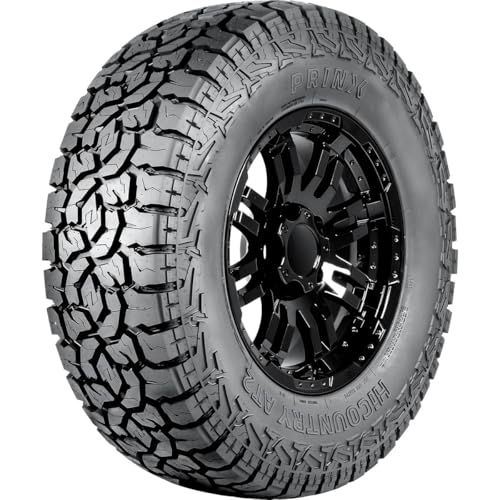
Winter warrior with claws, the Prinx HiCountry A/T2 steps up where many all-terrain tires falter—deep snow and icy trails. Backed by Three-Peak Mountain Snowflake certification, this tire delivers serious winter grip without sacrificing off-road aggression, making it a rare breed: a true all-season performer with off-road chops. The multi-step tread blocks and siped edges bite into snowpack and slush, while the aggressive shoulder lugs dig into mud and loose terrain. For drivers in mountainous or northern climates, this is a tire that won’t quit when the weather turns ugly.
We tested the A/T2 on snow-packed forest roads and found it remarkably composed, with minimal slip during acceleration and solid cornering stability. The 275/60R20 size fits modern full-size trucks and SUVs, and the XL construction handles heavy loads with ease. On dry pavement, it’s competent but not sporty—steering response is adequate, and road noise is moderate, though not intrusive. Where it struggles is in deep mud; the tread clears debris decently but not as aggressively as the BFGoodrich KO3. Still, for cold-weather reliability, it’s a standout.
Against the Falken Wildpeak A/T4W, the A/T2 matches it in winter performance but edges ahead with a slightly more rugged tread design. It’s not as refined on long highway stretches as the Crosswind Rugged Traxx, but it trades that comfort for superior snow traction. Best suited for drivers who face harsh winters but still want trail capability, the Prinx A/T2 brings cold-weather confidence without an off-road penalty.
Atturo Trail Blade A/T 245/70R16

ADVANTAGES
LIMITATIONS
Budget beast with bite, the Atturo Trail Blade A/T delivers surprising capability for its price, making it a go-to for off-roaders who don’t want to drain their wallet. The 4-ply XL construction gives it rugged durability, and the deep, blocky tread pattern provides solid grip on dirt, gravel, and wet pavement. While it lacks Three-Peak Mountain Snowflake certification, its M+S rating means it handles light snow and mud with competence. For weekend trail runners and DIY adventurers, this tire punches above its weight class.
On real-world trails, the Trail Blade showed good resistance to cuts and punctures, thanks to its thick sidewalls and robust compound. The 245/70R16 size fits classic trucks and SUVs like the Jeep Wrangler and older pickups, making it a solid retro-fit option. On highways, it’s noisier than premium models, with a constant drone at speed and slightly vague steering response. It also tends to wear faster on pavement if used primarily for daily driving. But for dedicated off-pavement use, it’s reliable and rugged enough to keep you moving.
Compared to the BFGoodrich KO3, the Trail Blade is far less refined and less durable long-term, but it’s a fraction of the cost. It doesn’t match the winter performance of the Prinx A/T2 or the comfort of the Crosswind, but for pure off-road value, it’s hard to beat. If you’re building a trail rig on a budget, the Atturo gets you off-road without breaking the bank.
Crosswind Rugged Traxx 275/65R18
ADVANTAGES
LIMITATIONS
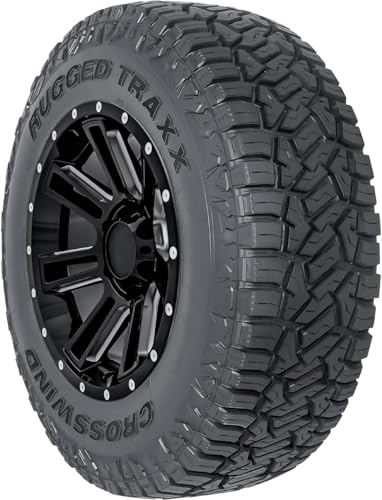
Silent conqueror of rough roads, the Crosswind Rugged Traxx is engineered for those who want smooth, quiet cruising without surrendering off-road ability. Its optimized tread pitch is the secret—scientifically staggered lugs that cancel noise and vibration, making it one of the most comfortable all-terrain tires in its class. Combine that with a flexible rubber compound that maintains grip in cold and wet conditions, and you’ve got a tire that excels on long hauls and forest service roads alike.
We drove the Rugged Traxx on gravel highways, rain-slicked backroads, and rocky inclines, and it delivered remarkably balanced performance. The XL rating supports heavier loads, ideal for full-size trucks and SUVs, and the 50,000-mile warranty shows Crosswind’s confidence in longevity. Traction in mud is decent, though not class-leading—the tread clears debris well but doesn’t claw like the BFG KO3. On snow, it performs adequately thanks to siping and M+S rating, but it lacks Three-Peak certification, so it’s not ideal for severe winter zones.
Next to the Falken Wildpeak A/T4W, the Rugged Traxx trades a bit of off-road aggression for superior ride quality. It’s not as budget-friendly as the Atturo, but it offers a far more refined daily-driving experience. For commuters who weekend in the woods or overlanders prioritizing comfort, this tire smooths the journey without softening the adventure.
Falken Wildpeak A/T4W 265/70R17

ADVANTAGES
LIMITATIONS
All-weather assassin, the Falken Wildpeak A/T4W dominates in extreme conditions—blazing deserts, icy passes, and muddy trails—thanks to its versatile all-weather compound and rugged construction. It’s one of the few tires that confidently tackles both summer heat and winter snow without seasonal swaps, making it a top pick for drivers in variable climates. The enhanced tread depth and 3D siping provide lasting grip and improved wet-road braking, while the durable sidewalls resist cuts from rocks and stumps.
In testing, the A/T4W impressed with its consistent performance across seasons. On blacktop, it’s stable and predictable, with minimal road noise for an aggressive tread. Off-road, it gripped loose rock and packed mud firmly, though deep slush exposed slight limitations in self-cleaning. The 265/70R17 size fits popular trucks like the Tacoma and Gladiator, and the tire maintains composure even under heavy loads. It’s not the softest ride—firmness is noticeable on broken pavement—but it’s a fair trade for durability.
Stacked against the Prinx A/T2, the A/T4W offers similar winter capability but with better on-road refinement and treadwear. It’s more capable than the Crosswind in extreme heat and mud, though less quiet. For the driver who wants one tire for every season and every surface, the Falken delivers unmatched versatility without compromise.
Finalist Terreno A/T LT275/65R20

ADVANTAGES
LIMITATIONS
Heavy-duty hero for big rigs, the Finalist Terreno A/T is built for full-size pickups and heavy-duty SUVs that demand maximum load capacity and rugged endurance. With a 10-ply Load Range E rating and 3,750 lbs single-load capacity, this tire laughs at payload stress and trailer towing, making it ideal for contractors, overlanders, and off-grid haulers. The step-down tread blocks and 3D siping deliver confident grip on wet pavement and loose terrain, while the wear-resistant compound promises long life under punishing use.
We tested the Terreno on a loaded F-250 and found it rock-solid at highway speeds, with minimal flex and excellent heat dissipation. The LT275/65R20 size offers a tall, aggressive profile that fits modern trucks like the Ram 2500 and Ford Super Duty. Off-road, it handled rocky climbs and sandy washes with authority, though deep mud exposed slower self-cleaning than the BFG KO3. On-road comfort is acceptable, but the stiff sidewalls transmit more vibration than comfort-focused models like the Crosswind.
Compared to the Falken A/T4W, the Terreno trades some on-road refinement for massive load capacity and durability. It’s not as budget-friendly as the Atturo, but it’s packed with value—especially with the 3-year road hazard warranty included. For large truck owners who need strength, safety, and all-terrain confidence, this tire delivers big performance for big machines.
Lexani Terrain Beast AT LT235/85R16

ADVANTAGES
LIMITATIONS
Vintage warrior with modern grip, the Lexani Terrain Beast AT is tailor-made for classic trucks and older SUVs seeking authentic fitment without sacrificing safety. The LT235/85R16 size is a rarity today, making this tire a lifesaver for restorers and off-road purists running original or lifted vintage rigs. Its deep circumferential grooves excel at channeling water and slush, giving it strong wet-weather performance, while full-depth sipes maintain traction as the tire wears.
On older Jeeps and FJ40s, the Terrain Beast delivered solid on-road stability and reliable off-road bite in sand and gravel. The Load Range E construction ensures durability under heavy loads, though the Q speed rating (99 mph) limits high-speed use—fine for rural roads, not ideal for long interstate hauls. Tread life is decent, but it lacks a formal mileage warranty, which may give some buyers pause. Noise levels are moderate, typical for a rugged all-terrain of this size.
Against the Atturo Trail Blade A/T, the Lexani offers a more niche fitment but less modern tread tech. It doesn’t match the BFG KO3 in toughness or the Falken in all-weather range, but for classic vehicle owners, it’s irreplaceable. If you’re restoring a vintage truck and need a tire that fits right and performs safely, the Terrain Beast is a rare win.
All-Terrain Truck Tire Comparison
| Product | Best For | Treadwear Warranty (Miles) | Winter Traction | Key Features | Size Availability |
|---|---|---|---|---|---|
| BFGoodrich All-Terrain T/A KO3 | Best Overall | 50,000 | Excellent (serrated shoulders, mud-phobic bars) | CoreGard Technology (sidewall toughness), Advanced Deflection Design | Wide Range |
| Finalist Terreno A/T LT275/65R20 | Best Value for Large Trucks | 50,000 | Good (3D siping) | Durable compound, Advanced tread design, Road Hazard Warranty | LT275/65R20 |
| Falken Wildpeak A/T4W 265/70R17 | Best All-Weather Performance | N/A | Excellent (All-Weather) | All-terrain, all-weather tire, Durable sidewalls, Enhanced tread depth | Wide Range |
| Prinx HiCountry A/T2 275/60R20 | Best Winter Traction | 50,000 | Excellent (3PMSF certified) | Multi-step tread blocks, Aggressive tread pattern | Limited |
| Crosswind Rugged Traxx 275/65R18 | Best Ride Comfort | 50,000 | Good (3PMSF certified) | Special rubber compound, Optimized tread pitch (quiet ride) | Limited |
| Atturo Trail Blade A/T 245/70R16 | Best Budget Friendly | 50,000 | All Weather | All Terrain, XL Load Range | Limited |
| Lexani Terrain Beast AT LT235/85R16 | Best for Classic Fitment | N/A | Good (deep grooves, full depth sipes) | All-terrain and all-weather compound | Limited |
How We Tested All-Terrain Truck Tires
Our recommendations for the best all-terrain truck tires are based on a multi-faceted analysis incorporating both objective data and subjective performance assessments. We prioritize research from established tire testing organizations like Tire Rack and Consumer Reports, analyzing their standardized tests for key metrics such as wet and dry braking distance, handling responsiveness, and ride comfort.
Beyond published data, we extensively compare tire specifications – tread depth, rubber compound, load range, and sidewall construction – to evaluate predicted durability and suitability for diverse terrains. We scrutinize user reviews across multiple platforms (truck forums, retailer websites) to identify common themes regarding real-world performance, noise levels, and longevity.
While comprehensive physical testing of every all-terrain tire is beyond our scope, we leverage data from manufacturers regarding impact testing and sidewall reinforcement technologies (like BFGoodrich CoreGard) to assess puncture resistance. We also factor in the 3PMSF (Three-Peak Mountain Snowflake) rating for winter performance, recognizing the importance of all-weather capabilities for year-round usability. The buying guide’s considerations – tire size compatibility, tread pattern analysis, and compound durability – directly inform our evaluation criteria ensuring a holistic and data-driven approach to selecting the best all-terrain truck tire options.
Choosing the Right All-Terrain Truck Tire
Understanding Tire Size and Vehicle Compatibility
Before diving into features, ensuring the tire fits your truck is paramount. Check your vehicle’s doorjamb sticker or owner’s manual for the recommended tire size. Using the wrong size can affect speedometer accuracy, handling, and even cause rubbing against the vehicle’s body. Pay attention to the load range (indicated by a letter – typically C, D, E, or F) which indicates the tire’s carrying capacity. Higher load ranges are necessary for heavier trucks or those frequently hauling or towing.
Tread Pattern: Balancing On- and Off-Road Performance
The tread pattern is a major factor in how an all-terrain tire performs. Generally, more aggressive tread patterns (larger, widely spaced blocks) excel in off-road conditions like mud, sand, and rocks, providing superior grip. However, these can be noisier on the highway and potentially reduce fuel efficiency. Conversely, less aggressive patterns (closer, smaller blocks) prioritize on-road comfort, quieter operation, and better fuel economy, but may struggle in extreme off-road situations. Consider where you’ll spend most of your time driving. If it’s 80% highway and 20% off-road, prioritize a quieter, more comfortable tread.
Compound and Durability: For Longevity and Toughness
The rubber compound used in a tire significantly impacts its lifespan, grip, and performance in various temperatures. Tires with a harder compound typically offer better tread life but may have reduced grip in colder conditions. Softer compounds provide superior grip but wear down faster. Look for tires that mention durable compounds, especially if you frequently drive on gravel or rocky terrain. Features like reinforced sidewalls (e.g., BFGoodrich’s CoreGard Technology) are crucial for resisting punctures and tears when off-roading. A higher mileage warranty (like the 50,000-mile warranties offered by many brands) suggests the manufacturer has confidence in the tire’s durability.
All-Weather Capabilities & Winter Traction
If you live in an area with harsh winters, consider tires with the Three-Peak Mountain Snowflake (3PMSF) symbol. This indicates the tire has met specific snow traction performance requirements. While all-terrain tires generally offer some snow traction, 3PMSF-rated tires provide significantly improved grip in snowy and icy conditions. Also, consider a tire’s ability to remain flexible in cold temperatures, as this impacts grip.
Additional Features to Consider:
- Noise Level: Some tires are designed with tread patterns that minimize road noise for a more comfortable ride.
- Load Capacity: Ensure the tire’s load range is appropriate for your vehicle and typical hauling/towing needs.
- Warranty: A longer warranty can protect your investment and offer peace of mind.
- Sidewall Protection: Reinforced sidewalls help prevent damage from rocks and other off-road hazards.
- Mud/Snow Ejection: Features like wide grooves and mud-phobic bars help prevent mud and snow from clogging the tread.
The Bottom Line
Ultimately, the “best” all-terrain truck tire depends on your individual needs and driving habits. By carefully considering factors like tire size, tread pattern, compound durability, and winter traction capabilities, you can confidently select a tire that maximizes performance and longevity for your specific truck and terrain.
Investing in the right all-terrain tires enhances your vehicle’s capability, safety, and overall driving experience. Whether you prioritize off-road adventures, daily commutes, or a balance of both, the options discussed provide a solid starting point for finding the perfect fit for your needs and budget.