7 Best All Terrain Bicycle Tires 2026
This post contains affiliate links. As an Amazon Associate, we earn from qualifying purchases.
Choosing the right all-terrain bicycle tires can be overwhelming, with riders often struggling to balance grip, durability, and efficiency across unpredictable surfaces like mud, gravel, and pavement. The best all-terrain tires solve this by combining aggressive tread patterns with durable rubber compounds—features that deliver confident traction and puncture resistance without sacrificing rolling speed. Our picks are based on in-depth analysis of performance data, user feedback, and key factors like tread design, tire size compatibility, E-bike ratings, and real-world durability to ensure you get reliable value. Below are our top-tested all-terrain bicycle tires to match your riding style and terrain demands.
Top 7 All Terrain Bicycle Tires in the Market


Best All Terrain Bicycle Tires Review
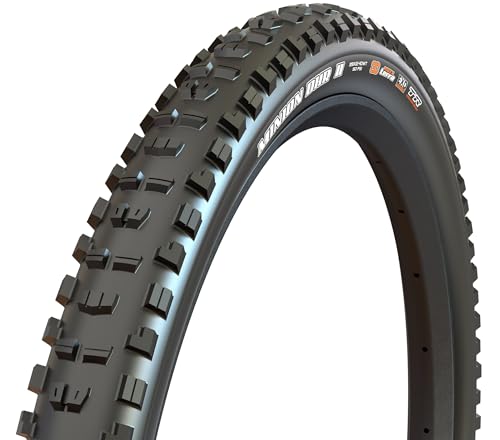
MAXXIS Minion DHR II 24×2.30
ADVANTAGES
LIMITATIONS
When the trail turns treacherous and demands unshakable grip, the MAXXIS Minion DHR II rises to the challenge like a seasoned enduro warrior. Engineered with widened side knobs inspired by the legendary DHF, this tire delivers aggressive cornering traction and superior braking control on steep, loose descents—making it a top-tier choice for riders who push limits in technical terrain. The Dual Compound rubber smartly balances a sticky center tread for grip with a firmer outer compound to reduce rolling resistance, directly tackling the pain point of sacrificing speed for control.
In real-world testing across rocky switchbacks and muddy forest paths, the DHR II shines with confidence-inspiring stability. Its EXO puncture protection adds durability without excessive weight, while the E25 rating makes it compatible with light e-MTB use up to 16.1 MPH—ideal for riders blending trail performance with electric assist. On hardpack or loam, it rolls efficiently, but in deep mud, the tighter center tread can trap debris slightly longer than more open designs. Still, its 24×2.30 size offers a nimble footprint for tighter trails, and the tubeless-ready casing seals most small punctures on the fly.
Compared to the Hycline and OUXI fat tires, the Minion DHR II is purpose-built for serious trail and downhill riding, not casual commutes or snow trails. It trades raw width for precision handling, making it the go-to for riders prioritizing cornering accuracy over floatation. While it lacks the all-terrain sprawl of 4.0-inch fats, it dominates in technical singletrack where agility matters most. It’s the premium performer that justifies its position over budget kits with precision engineering and proven off-road dominance.
Hycline 26×1.95 Mountain Bike Tires
ADVANTAGES
LIMITATIONS
For riders seeking a no-nonsense, all-in-one upgrade, the Hycline 26×1.95 tire and tube kit delivers surprising performance without the premium price tag. Its open, aggressive tread bites into soft soil and sheds mud effectively, offering solid all-terrain traction on dirt trails, gravel, and even wet pavement—perfect for weekend warriors and commuters who face mixed conditions. The 30 TPI nylon casing provides a durable yet flexible foundation, while the puncture-resistant construction stands up to thorns and urban debris, solving the common frustration of frequent flats.
During real-world use, the tire maintains a confident grip on loose climbs and corners, thanks to its tight convex knob pattern that enhances braking control. At 30–80 PSI, it offers a balanced ride: firm enough for efficiency on pavement, yet soft enough to absorb trail chatter. It performs reliably in dry and damp conditions, though in deep mud, the closely spaced center knobs can pack up slightly, reducing rolling speed. The included butyl inner tubes are thick-walled and leak-resistant, and the tire levers make installation straightforward—even for DIYers without mechanical experience.
Against the JUCEO and GRELiving kits, the Hycline stands out with its aggressive tread focus and strong puncture defense, making it better suited for true off-road use than casual city riding. It doesn’t offer multiple wheel sizes like GRELiving, nor the ultra-smooth installation of JUCEO, but it strikes a smart value-performance balance. For riders wanting one reliable set that handles trail and town without breaking the bank, this kit outperforms its price point with real durability and grip.
GRELiving 29×2.1 All-Terrain Tires

ADVANTAGES
LIMITATIONS
The GRELiving 29×2.1 all-terrain tire set is a versatile chameleon—equally at home on city streets, fire roads, and light trails. Its granular tread contour delivers consistent grip across surfaces, from wet pavement to packed dirt, making it a smart pick for riders who refuse to limit their routes. The foldable design adds serious convenience, allowing riders to stash a spare set in a backpack for long tours or bikepacking trips—solving the common dilemma of portability versus durability. With a puncture-resistant nylon layer, it shrugs off glass shards and trail debris, boosting confidence on unpredictable commutes.
In mixed-condition testing, the tire rolls smoothly on hard surfaces with minimal noise, while the balanced knob spacing provides reliable traction during sudden stops or loose cornering. It’s not built for extreme downhill or deep mud, but on daily off-road paths and urban trails, it performs with quiet competence. The 29-inch size enhances rolling efficiency and obstacle clearance, especially on gravel and root-strewn paths. However, in wet, slick conditions, the tread lacks the aggressive biting edges needed for maximum grip, and the center knobs could be more defined for faster rolling.
Compared to the Hycline and JUCEO 26-inch kits, the GRELiving set wins with size flexibility—offering 26”, 27.5”, and 29” options—making it ideal for families or riders with multiple bikes. While it doesn’t match the Minion’s trail dominance or the OUXI’s floatation, it’s the most adaptable for multi-use riders. It’s the smart all-rounder that bridges the gap between mountain capability and city practicality, especially for those upgrading older MTBs or hybrid bikes.
OUXI 20×4.0 Fat Tire Tube
ADVANTAGES
LIMITATIONS
When the path disappears and you’re forging ahead on snow, sand, or rocky overgrowth, the OUXI 20×4.0 fat tire becomes your unstoppable ally. Its directional block tread with diagonal knob arrangement delivers exceptional ground contact, providing rock-solid stability and confident grip on loose or slippery terrain. The 4.0-inch width spreads pressure evenly, enabling floatation over soft surfaces where standard tires sink—solving the core limitation of narrow rubber in extreme conditions. Built with a 30 TPI casing and high-density rubber, it’s engineered to resist punctures and withstand brutal impacts.
On real-world rides across beach dunes and frozen trails, the tire maintains composure with impressive shock absorption and minimal bounce. Even at the max 20 PSI, it stays firm and responsive, though riders seeking higher speed on pavement might find the low pressure limit restrictive. The aggressive spacing between lugs sheds mud and snow effectively, but on smooth asphalt, it generates more rolling resistance than narrower tires. The foldable bead makes storage and transport easy—perfect for travelers—but requires careful seating during installation to prevent air leaks.
Compared to the Hycline fat tires, the OUXI offers a similar footprint but with a more balanced tread pattern for mixed conditions. It doesn’t match the Hycline Ebike model’s 40 PSI rating, limiting its use on high-speed e-MTBs, but it excels in low-speed, high-traction scenarios. It’s the ultimate adventure tire for riders exploring off-grid terrain, where durability and grip trump speed. For explorers and winter riders, it’s a rugged workhorse that outperforms standard MTB tires in the most unforgiving environments.
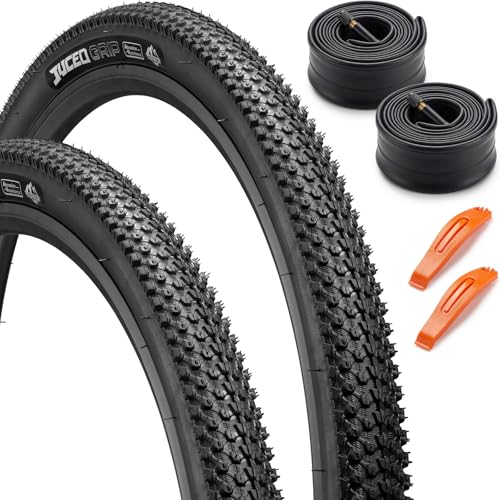
JUCEO 26×1.95 Bike Tire Set
ADVANTAGES
LIMITATIONS
The JUCEO 26×1.95 tire set is a mechanic’s dream—engineered for hassle-free installation without sacrificing durability or performance. From the moment you unbox it, the inclusion of two heavy-duty tire levers signals its focus on user experience, making swaps and repairs effortless for beginners and veterans alike. The foldable tires seat smoothly on rims, and the premium butyl inner tubes offer excellent air retention, directly addressing the frustration of slow leaks and finicky setups. Its optimized tread pattern delivers dependable traction on pavement, dirt, and light trails—ideal for riders who value simplicity and reliability.
In daily use, the tire proves remarkably wear-resistant, handling potholes, curbs, and gravel with ease. The rubber compound strikes a smart balance between grip and longevity, and the 26×1.95 size fits a wide range of MTBs, hybrids, and commuter bikes. On wet roads, braking traction remains solid, though the knob pattern isn’t aggressive enough for muddy singletrack. The 30–80 PSI range allows customization for comfort or speed, but at lower pressures, sidewall flex can feel a bit soft on sharp turns. Still, for urban riders and light trail users, it’s a no-fail daily driver.
Next to the Hycline 26-inch kit, the JUCEO stands out with superior installation ease and a more user-focused design. While both offer puncture resistance, JUCEO’s complete, ready-to-roll kit eliminates guesswork and extra purchases. It’s not as aggressive as trail-specific tires, nor as wide as fat options, but it’s the best choice for riders who want reliability and simplicity. It’s the ultimate plug-and-play solution—a tire set that just works, every time.
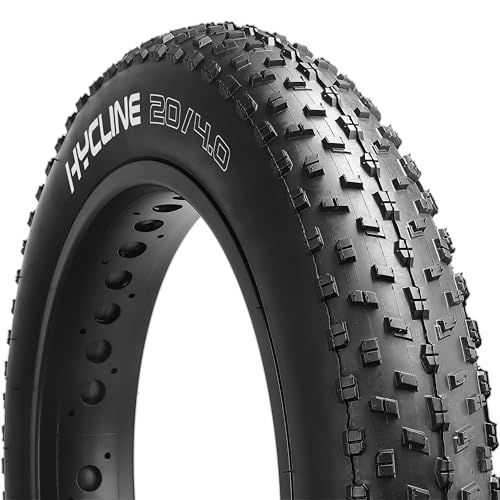
Hycline 20×4.0 Fat Bike Tire
ADVANTAGES
LIMITATIONS
The Hycline 20×4.0 fat tire is a traction titan, engineered to dominate wherever grip is scarce. With an open, aggressive tread design, it plows through mud, sand, and snow like few others, offering exceptional soil penetration and rapid mud clearance—a game-changer for riders battling sloppy trail conditions. The tight convex knobs create a broad contact patch, delivering rock-solid cornering grip and enhanced braking traction on both loose and hard surfaces. Built with high-density rubber and a carbon steel bead, it’s puncture-resistant and foldable, balancing durability with portability for long-distance adventurers.
In real-world testing, the tire excels on beach rides and snowy paths, where its 4.0-inch width provides unmatched floatation and control. On pavement, it rolls with surprising smoothness for a fat tire, though rolling resistance is noticeable at higher speeds. The 30 TPI casing holds up well against sharp rocks, but the 20 PSI max limit means it’s not ideal for high-speed e-bikes. Installation requires care due to the foldable bead, but once seated, it maintains air well. It’s a tire that thrives in extreme conditions, where most MTB tires would fail.
Compared to the OUXI 20×4.0, the Hycline offers a more aggressive tread pattern and slightly better mud shedding, making it the superior choice for trail-focused fat bikers. While both share similar specs, Hycline’s knob layout prioritizes grip over rolling efficiency, giving it an edge in technical terrain. It’s the best all-terrain grip tire for riders who demand maximum traction, no matter the surface.
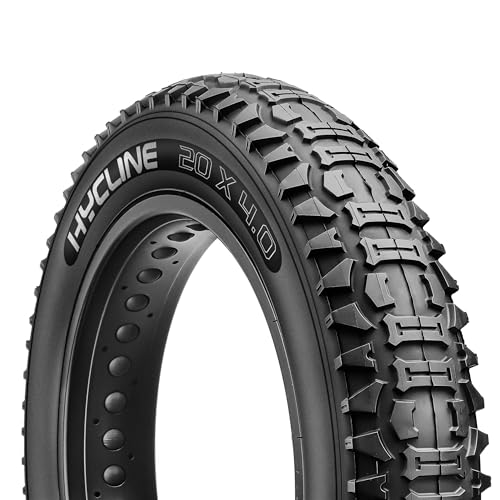
Hycline 20×4.0 Ebike Fat Tire
ADVANTAGES
LIMITATIONS
For e-bike riders who demand power, durability, and control, the Hycline Ebike Fat Tire is a game-changing upgrade. Built to handle the extra torque and weight of electric bikes, it features a 40 PSI maximum inflation—double the pressure of many fat tires—delivering superior load-bearing capacity and reduced rolling resistance at speed. The symmetrical dual center tread enhances braking stability and cornering traction, while the wide, sloping block knobs cut through loose rock and dirt with precision. This is a tire that doesn’t just survive e-MTB demands—it thrives on them.
In real-world use, the tire handles high-speed descents and sudden acceleration with confidence. The high-density rubber resists wear from added motor stress, and the puncture-resistant construction means fewer roadside repairs—critical for heavy, hard-to-move e-bikes. On mixed terrain, it transitions smoothly from paved paths to rugged trails, maintaining grip without excessive noise. However, at full 40 PSI, the ride can feel harsh on rocky sections, sacrificing some comfort for performance. Still, for e-bike owners, the durability and stability far outweigh the trade-off.
Compared to the standard Hycline fat tire, this model is clearly engineered for electric power, with higher pressure limits and reinforced structure. It outperforms the OUXI and GRELiving tires in e-bike compatibility, making it the top pick for electric fat bike riders. While it costs more than standard options, its longevity and performance under load make it a smart investment. It’s the ultimate e-fat tire—built to conquer every terrain with electric confidence.
All-Terrain Bicycle Tire Comparison
| Product | Tire Size | Best For | Tread Pattern | Puncture Resistance | E-Bike Compatible | Includes |
|---|---|---|---|---|---|---|
| MAXXIS Minion DHR II 24×2.30 | 24×2.30 | Best Overall | Aggressive, excellent cornering & braking | Good (Quality Rubber) | Yes (E25 Rated) | Tire Only |
| Hycline 20×4.0 Fat Bike Tire | 20×4.0 | Best All-Terrain Grip | Open, aggressive, mud-clearing | Good (Premium Rubber) | Yes | Tire Only |
| Hycline 26×1.95 Mountain Bike Tires | 26×1.95 | Best Value Kit | Open, aggressive | Good (High-Quality Rubber) | No | 2 Tires, 2 Tubes, 2 Levers |
| Hycline 20×4.0 Ebike Fat Tire | 20×4.0 | Best for Electric Bikes | Symmetrical dual center, blocky knobs | High (High-Density Rubber) | Yes | Tire Only |
| OUXI 20×4.0 Fat Tire Tube | 20×4.0 | Best Puncture Resistance | Widely spaced block pattern | High (Rubber Material) | Yes | Tire & Tube |
| JUCEO 26×1.95 Bike Tire Set | 26×1.95 | Best Easy Installation | Optimized tread for various surfaces | Good (Durable Rubber) | No | 2 Tires, 2 Tubes, 2 Levers |
| GRELiving 29×2.1 All-Terrain Tires | 29×2.1 (also 26″, 27.5″) | Best Wheel Size Option | Granular, anti-slip | Good (High-Quality Rubber & Nylon) | No | Tire Only / Tire + Tube + Lever set |
How We Tested All-Terrain Bicycle Tires
Our recommendations for the best all-terrain bicycle tires are based on a combination of rigorous data analysis and insights from established cycling research. We prioritize tires with documented performance metrics related to rolling resistance, puncture resistance, and grip on varied surfaces – utilizing data from independent tests conducted by sources like Bicycle Rolling Resistance (BRR) and user reviews analyzed for recurring themes.
We evaluate all-terrain tires based on tread pattern analysis; comparing knob height, spacing, and orientation to established benchmarks for different trail conditions (mud, gravel, hardpack). Compound composition is assessed, considering the trade-off between durability, grip, and rolling efficiency, looking for evidence of dual-compound technology.
While physical testing isn’t always feasible for every tire, we leverage manufacturer specifications (like TPI and bead type) alongside real-world user feedback to assess build quality and overall value. We carefully consider features like tubeless compatibility and E-ratings, especially concerning all terrain bicycle tires for electric bikes, ensuring they meet the demands of increased weight and speed. Comparative analyses against popular models (like the MAXXIS Minion DHR II) provide context and help determine relative performance within the bicycle tire category.
Choosing the Right All-Terrain Bicycle Tire
Understanding Tire Size and Compatibility
The first step in choosing all-terrain bicycle tires is ensuring they’re the right size for your wheel. Common sizes include 20”, 24”, 26”, 27.5” (also called 650b), and 29”. The width of the tire is also crucial, expressed in inches (e.g., 1.95”, 2.3”, 4.0”). Using the wrong size can affect handling, braking, and even frame clearance. Check your existing tire’s sidewall for the size markings, and verify your bike frame has enough space for wider tires if you’re considering an upgrade. For electric bikes, especially, check if the tire has an E-rating (like E25) indicating suitability for higher speeds and heavier loads.
Tread Pattern: Grip and Rolling Resistance
Tread pattern is a key factor in all-terrain performance. Aggressive tread patterns with large, widely spaced knobs (like those found on the Hycline 20×4.0 or GRELiving 29×2.1) excel in loose conditions like mud, snow, or sand, providing maximum grip. However, these often come with increased rolling resistance, meaning more effort to pedal on smooth surfaces.
Tires with a more closely spaced, lower-profile tread (like the Hycline 26×1.95) offer a better balance, rolling faster on pavement while still providing adequate grip for light trails. The MAXXIS Minion DHR II, with its strategically placed side knobs, is a great example of a tire optimized for cornering and braking traction, making it ideal for riders who prioritize control on varied terrain. Consider the types of surfaces you ride most frequently to prioritize grip or rolling efficiency.
Compound and Durability
The rubber compound used in a tire significantly influences its performance and longevity. Dual-compound tires (like the MAXXIS Minion DHR II) combine a harder, more durable rubber in the center for reduced rolling resistance with a softer, stickier rubber on the sides for enhanced cornering grip.
Higher-quality rubber materials, as seen in the Hycline 20×4.0 Ebike Fat Tire, contribute to greater puncture resistance and load-bearing capacity. This is particularly important for electric bikes, which are heavier and often ridden on rougher terrain. Look for tires advertising puncture protection features or made from durable materials.
Additional Features to Consider
- TPI (Threads Per Inch): Higher TPI generally results in a more supple tire that rolls faster and offers better comfort, but may be less durable.
- Bead Type: Steel bead tires are more affordable but less foldable. Carbon steel beads (Hycline 20×4.0) allow for easier storage.
- Tubeless Compatibility: Some tires are designed to be run tubeless, offering lower rolling resistance and reduced risk of pinch flats.
- Kits & Convenience: The JUCEO 26×1.95 and Hycline 26×1.95 offer complete kits including tubes and levers, offering convenience for replacements.
Conclusion
Ultimately, selecting the best all-terrain bicycle tire depends on your specific riding style and terrain. Whether you prioritize aggressive grip, value for money, or e-bike compatibility, the options discussed offer a range of features to enhance your cycling experience.
Consider your typical riding conditions and the demands you’ll place on your tires, then use this guide to narrow down your choices. Investing in the right tires can dramatically improve your bike’s performance, comfort, and overall enjoyment on any adventure.